Atrial Fibrillation
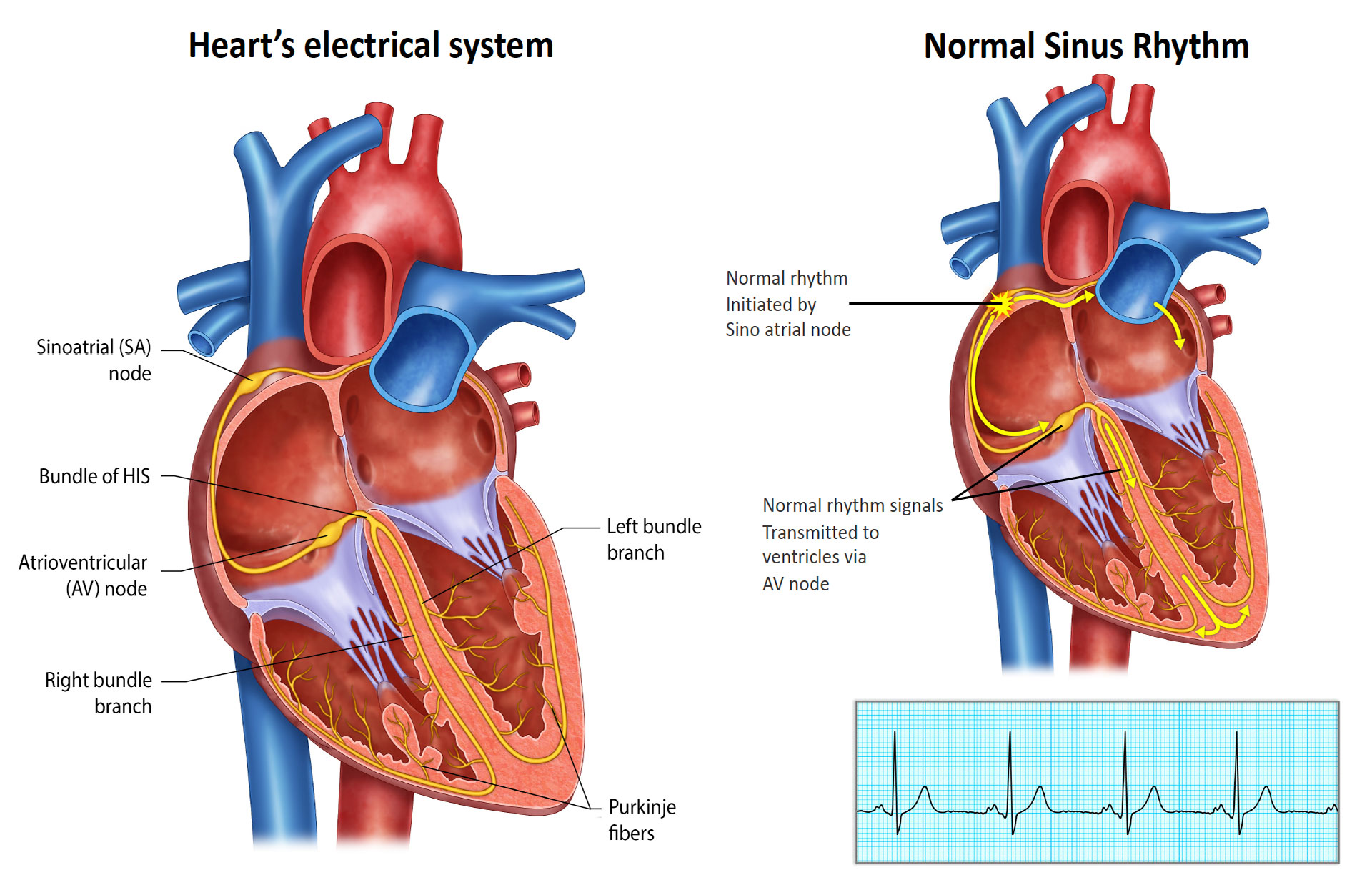
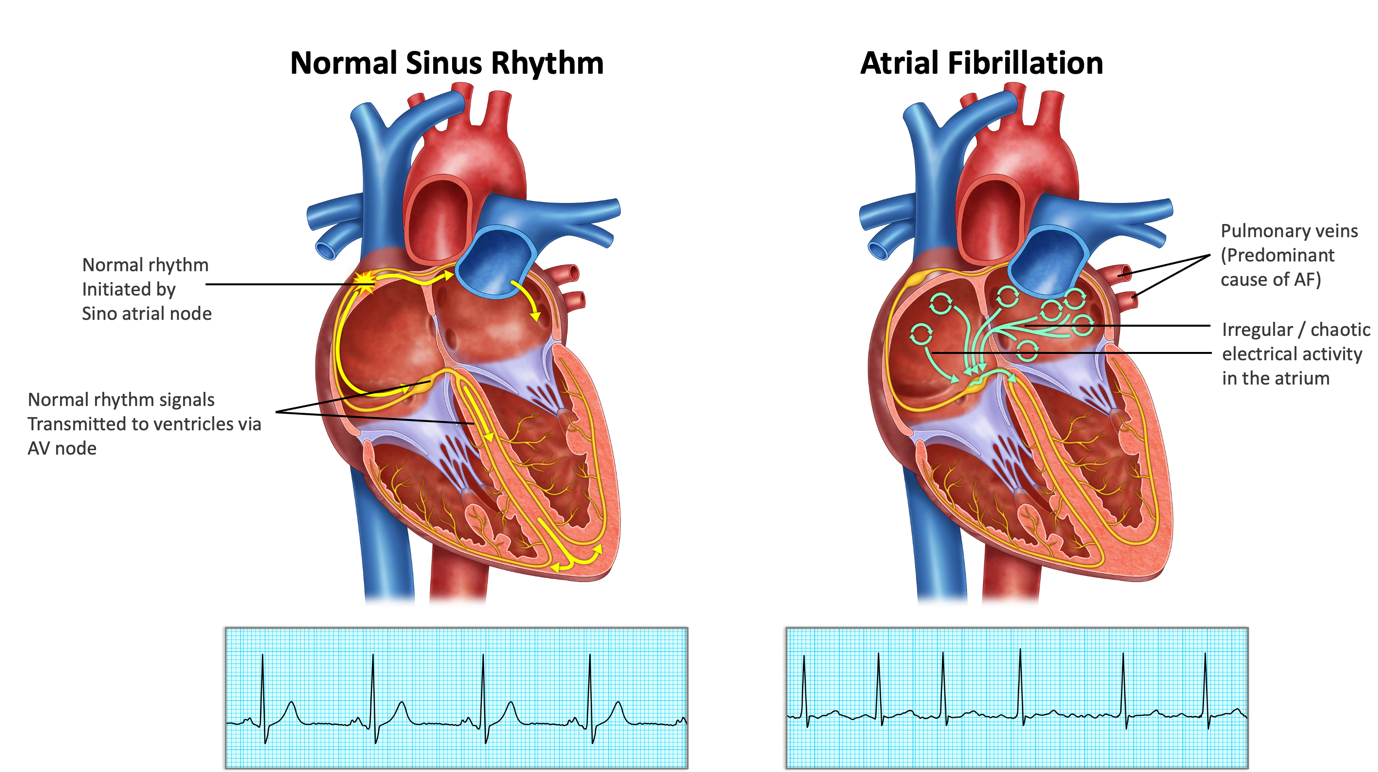
Atrial fibrillation (AF) is the most common heart rhythm disorder, causing the heart to beat irregularly and often rapidly. It can lead to symptoms such as palpitations, shortness of breath, fatigue, and dizziness, and may increase the risk of stroke or heart failure if not appropriately managed.
Assessment and Ongoing Management
Management of AF begins with careful assessment to understand symptoms, underlying causes, and associated risks. Treatment may include medications to control heart rate or rhythm, strategies to reduce stroke risk, and guidance on lifestyle factors such as exercise, weight management, and sleep, all tailored to the individual patient.
Catheter Ablation for Atrial Fibrillation
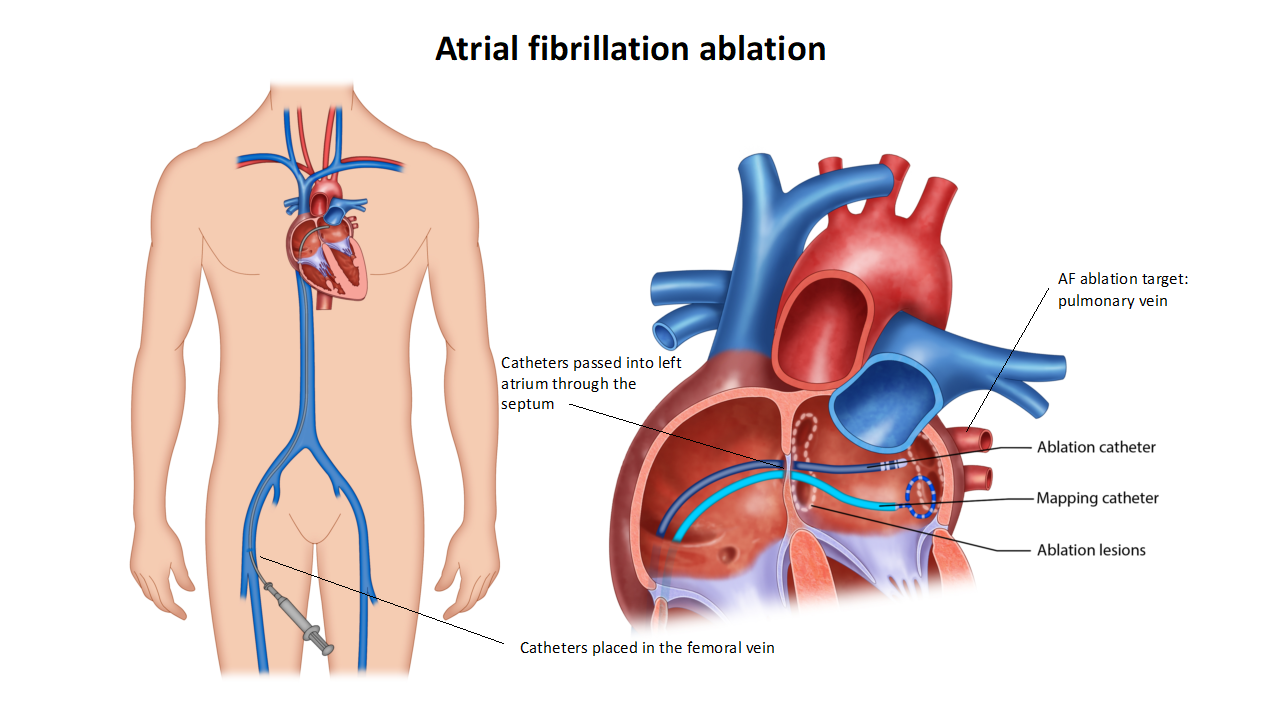
Catheter ablation is an established treatment option for patients whose symptoms persist despite medical therapy. This minimally invasive procedure targets the areas of the heart responsible for abnormal electrical signals, with the aim of restoring and maintaining normal heart rhythm. Suitability for ablation is carefully assessed, and follow-up care is provided to support long-term outcomes.
Patient-Centred Care
Care for atrial fibrillation is most effective when decisions are made collaboratively. Dr Louise Segan places emphasis on clear communication, shared decision-making, and evidence-based care, supporting patients to understand their condition and actively participate in their long-term heart health.
Make An Appointment
To arrange an appointment or make an enquiry, please visit the contact page.
Dr Segan’s team will assist with referrals, bookings, and general enquiries.