Common Heart Conditions Explained
Heart rhythm conditions occur when the electrical signals that control the heartbeat become irregular or disorganised. Common conditions managed in this practice include atrial fibrillation and atrial flutter, which can cause symptoms such as palpitations, breathlessness, fatigue, dizziness, or reduced exercise tolerance.
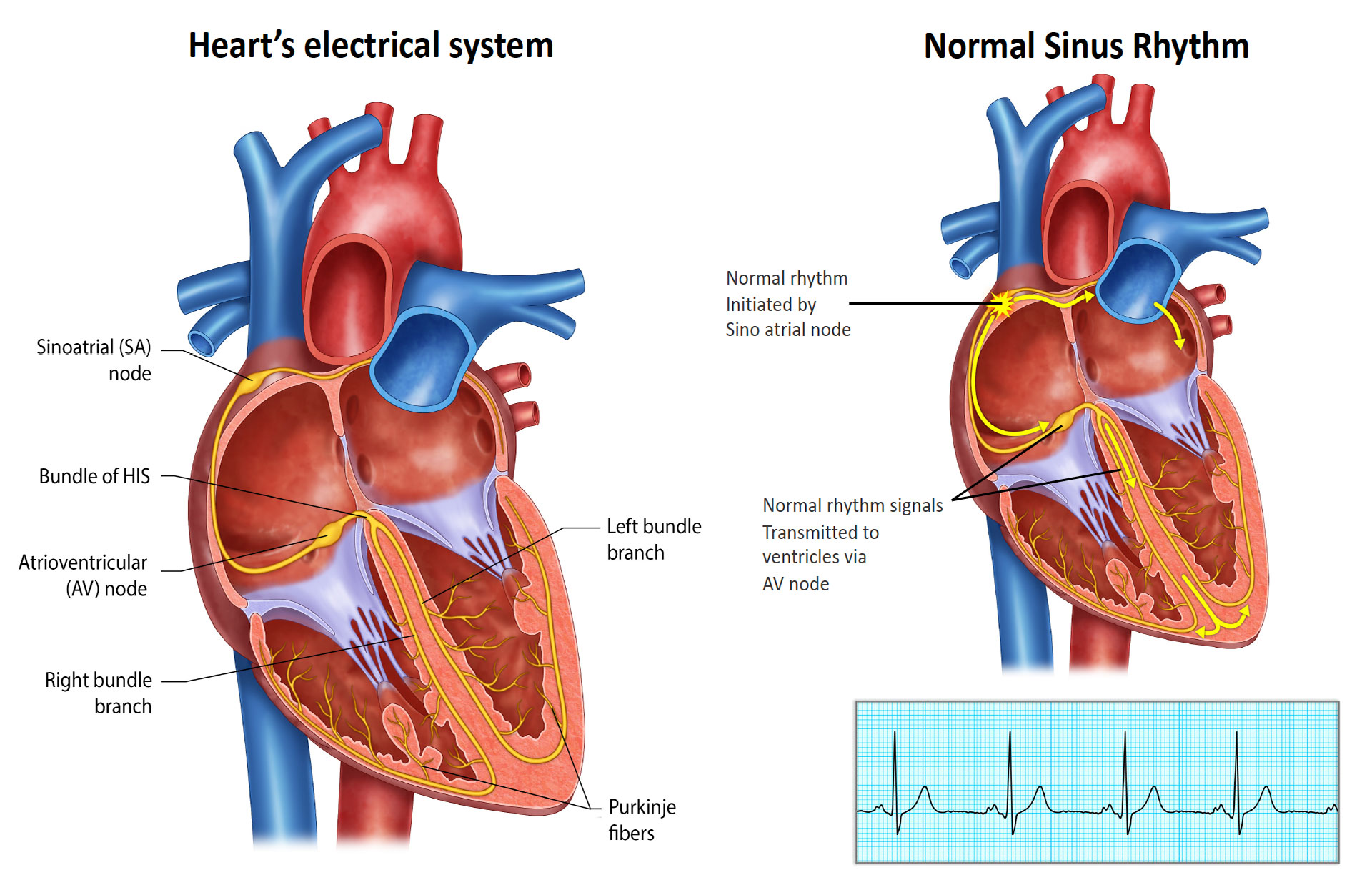
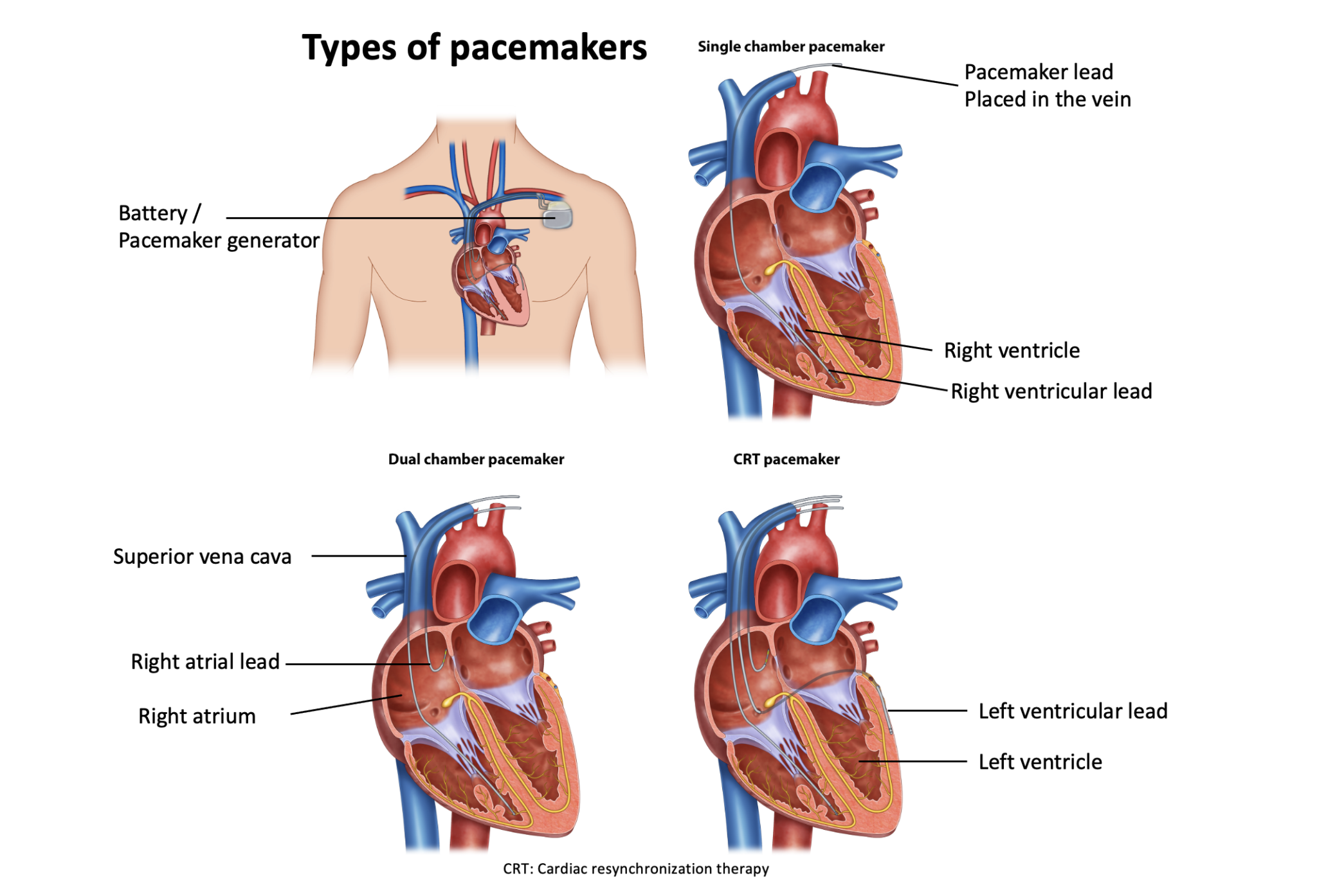
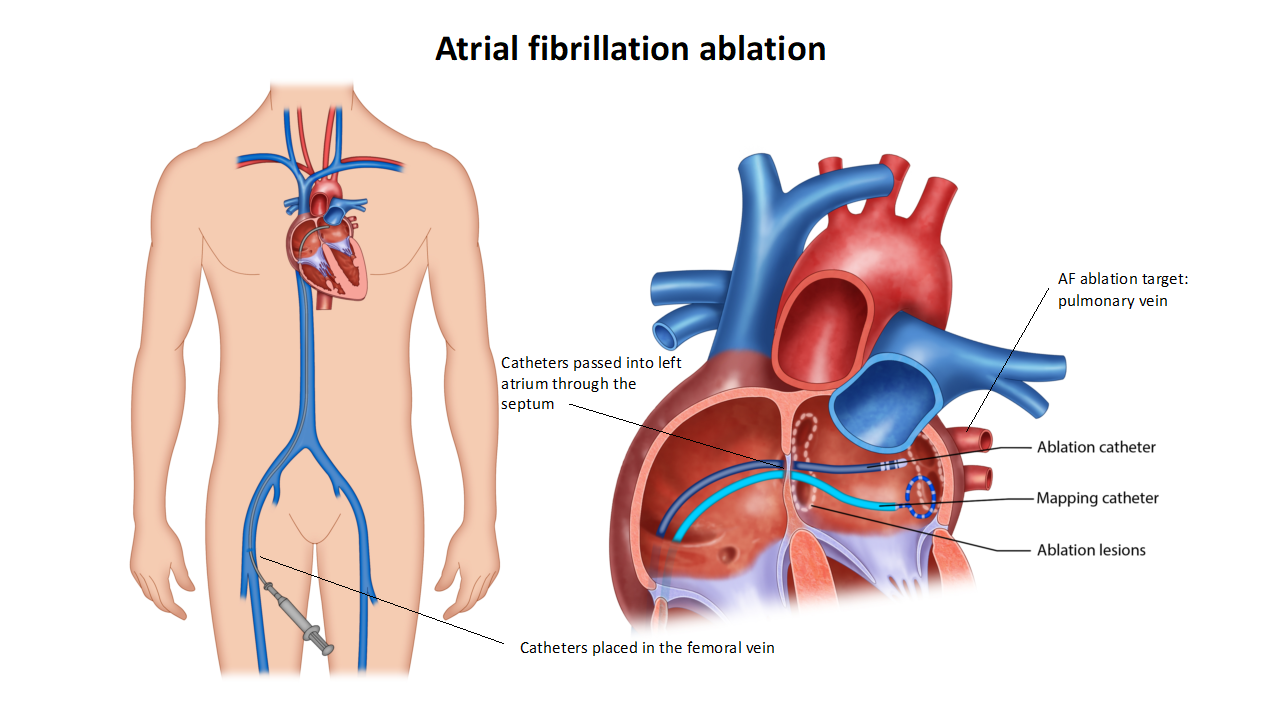
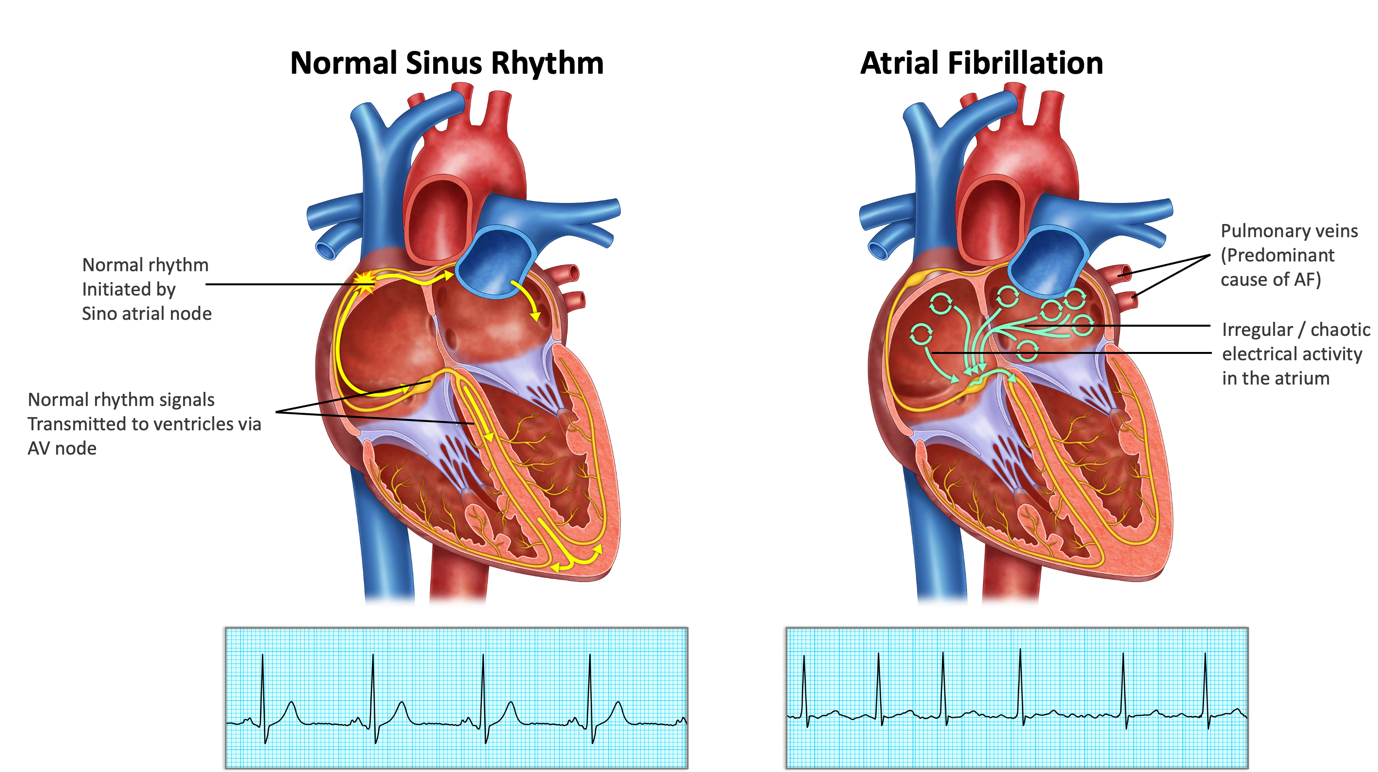
Understanding the nature of these conditions is an important part of care. Patient information provided here explains how these rhythms develop, how they may change over time, and why treatment is often focused not only on symptom control but also on reducing longer-term risks such as stroke or heart failure. Clear explanations are provided to support informed decision-making and meaningful discussion during consultations.
What to Expect at Appointments
Appointments are structured to allow time to understand each patient’s individual experience and concerns. This includes a detailed review of symptoms, medical history, medications, and any previous investigations. Lifestyle factors such as exercise, sleep, alcohol intake, and weight may also be discussed, as these can influence heart rhythm conditions.
Following assessment, findings and treatment options are explained in a clear and practical way. Management plans are developed collaboratively, with an emphasis on ensuring patients understand the reasoning behind recommendations and feel supported in the next steps of their care.
Tests and Procedures
A range of cardiac tests and procedures may be used to assess heart rhythm and overall heart health. These can include ECGs, heart rhythm monitoring, echocardiography, and other imaging or electrophysiology studies.
Information is provided to explain why a test has been recommended, what it involves, and how the results may influence management. For patients undergoing procedures such as catheter ablation, additional guidance is available outlining preparation, what to expect on the day, and follow-up care after the procedure.
Frequently Asked Questions
Heart rhythm problems occur when the electrical signals that control the heartbeat become irregular or disrupted. This can happen for a variety of reasons, and in many cases there is more than one contributing factor.
Common causes include underlying heart conditions, high blood pressure, heart failure, or changes in heart structure that develop over time. Other factors such as ageing, sleep apnoea, excess alcohol intake, thyroid disease, and periods of illness or stress can also play a role. In some people, no single clear cause is identified.
Part of your assessment is to understand which factors may be contributing in your case. This helps guide treatment decisions and identify areas, such as lifestyle or medical management, that can reduce symptoms and improve long-term outcomes.
Heart rhythm problems occur when the electrical signals that control the heartbeat become irregular or disrupted. This can happen for a variety of reasons, and in many cases there is more than one contributing factor.
Common causes include underlying heart conditions, high blood pressure, heart failure, or changes in heart structure that develop over time. Other factors such as ageing, sleep apnoea, excess alcohol intake, thyroid disease, and periods of illness or stress can also play a role. In some people, no single clear cause is identified.
Part of your assessment is to understand which factors may be contributing in your case. This helps guide treatment decisions and identify areas, such as lifestyle or medical management, that can reduce symptoms and improve long-term outcomes.
Heart rhythm problems occur when the electrical signals that control the heartbeat become irregular or disrupted. This can happen for a variety of reasons, and in many cases there is more than one contributing factor.
Common causes include underlying heart conditions, high blood pressure, heart failure, or changes in heart structure that develop over time. Other factors such as ageing, sleep apnoea, excess alcohol intake, thyroid disease, and periods of illness or stress can also play a role. In some people, no single clear cause is identified.
Part of your assessment is to understand which factors may be contributing in your case. This helps guide treatment decisions and identify areas, such as lifestyle or medical management, that can reduce symptoms and improve long-term outcomes.
Heart rhythm problems occur when the electrical signals that control the heartbeat become irregular or disrupted. This can happen for a variety of reasons, and in many cases there is more than one contributing factor.
Common causes include underlying heart conditions, high blood pressure, heart failure, or changes in heart structure that develop over time. Other factors such as ageing, sleep apnoea, excess alcohol intake, thyroid disease, and periods of illness or stress can also play a role. In some people, no single clear cause is identified.
Part of your assessment is to understand which factors may be contributing in your case. This helps guide treatment decisions and identify areas, such as lifestyle or medical management, that can reduce symptoms and improve long-term outcomes.
Heart rhythm problems occur when the electrical signals that control the heartbeat become irregular or disrupted. This can happen for a variety of reasons, and in many cases there is more than one contributing factor.
Common causes include underlying heart conditions, high blood pressure, heart failure, or changes in heart structure that develop over time. Other factors such as ageing, sleep apnoea, excess alcohol intake, thyroid disease, and periods of illness or stress can also play a role. In some people, no single clear cause is identified.
Part of your assessment is to understand which factors may be contributing in your case. This helps guide treatment decisions and identify areas, such as lifestyle or medical management, that can reduce symptoms and improve long-term outcomes.

Make An Appointment
To arrange an appointment or make an enquiry, please visit the contact page.
Dr Segan’s team will assist with referrals, bookings, and general enquiries.